The Long Way Through the City
Walking without optimizing the route makes the familiar visible again.
Navigation software is excellent at removing uncertainty. It identifies the fastest route, estimates each turn, and converts a city into a sequence of instructions. This is useful when arriving somewhere matters more than the journey.
Walking without optimization restores the parts the route has edited out.
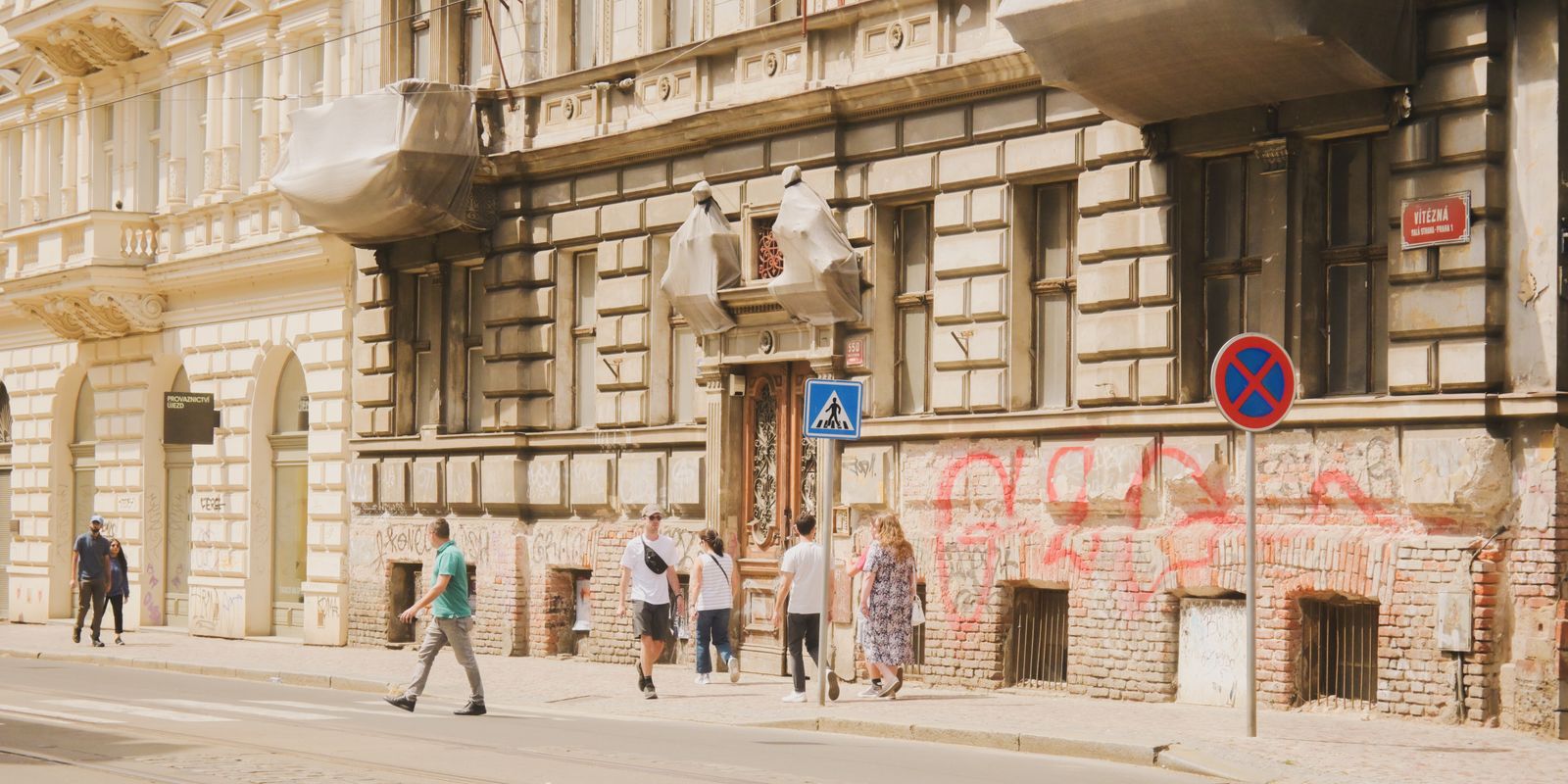
The long way passes the back of buildings, where utility becomes visible. Loading doors, fire escapes, patched brick, and improvised signs reveal how a street actually works. Main entrances present an argument; side streets show revisions.
I like routes that change character gradually. A commercial block becomes residential. Traffic noise thins. Trees appear not as decoration but as old residents lifting the pavement around their roots. A narrow passage opens unexpectedly onto a square.
The practice is not aimlessness. I keep a general direction and choose the next street by curiosity. A distant roofline, an unusual storefront, or a patch of shade can be enough reason. Small decisions accumulate into a route no algorithm would defend.
Walking also corrects the scale of a map. Two places that appear adjacent may be divided by an unpleasant crossing. Neighborhoods described as separate can share an ordinary boundary with no sign announcing the change. Slopes, wind, sound, and smell return to geography.
The destination eventually arrives. It feels less like the answer to a command and more like one point in a larger place.