Looking at Museums Slowly
Seeing fewer rooms can produce a larger visit.
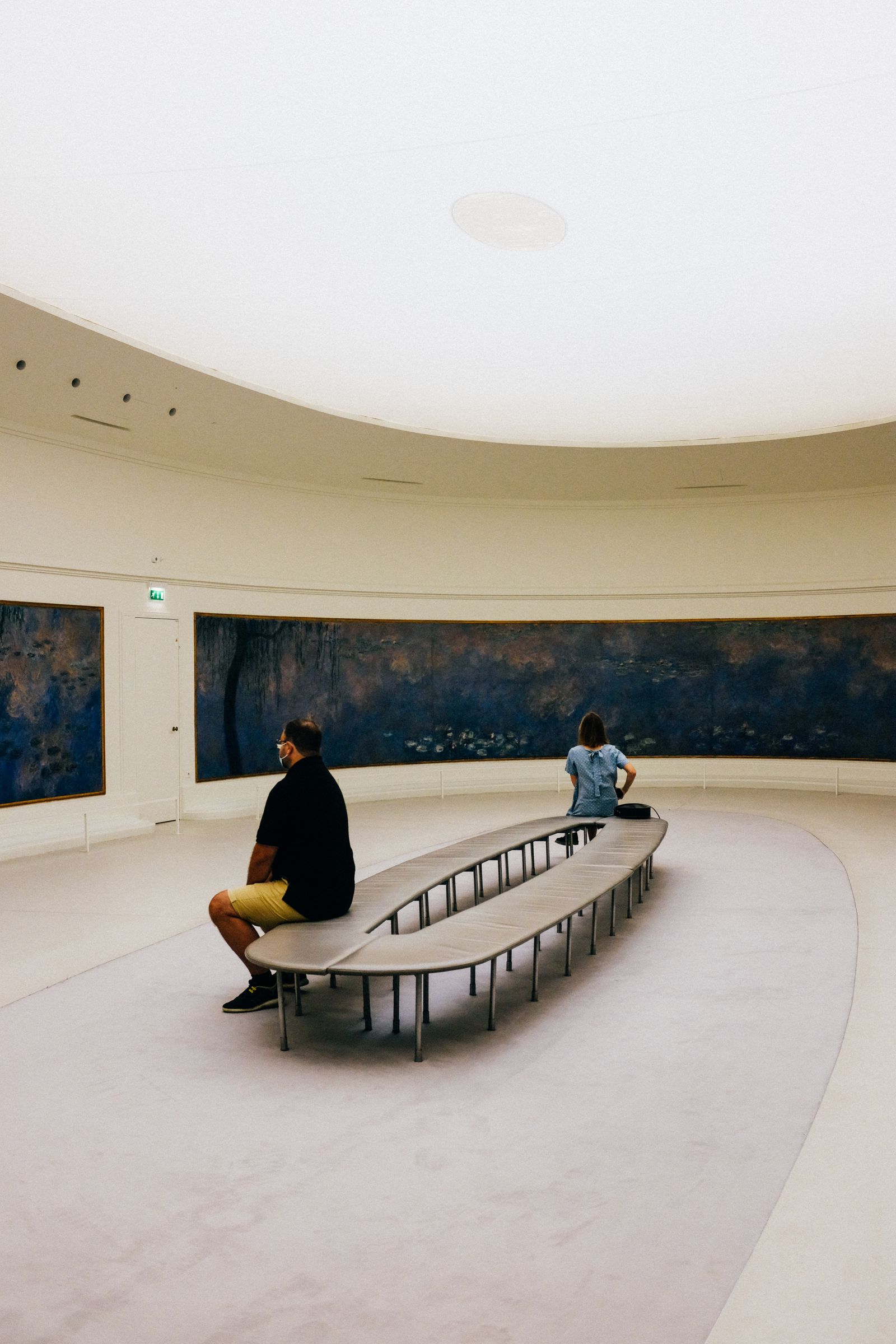
Museums create a peculiar anxiety: the sense that value is being missed in every direction. A ticket grants access to more objects than attention can hold, and the floor plan quietly turns looking into a coverage problem.
My solution is to accept failure immediately. I will not see everything. I may not see most things. Once that ambition is removed, the visit becomes more generous.
I choose a room without asking whether it contains the institution’s greatest work. Then I wait for one object to create resistance. It might be a painting whose scale feels wrong in reproduction, a chair with an implausible curve, a fragment of writing, or a tool whose purpose is unclear.
Staying with one object changes the surrounding room. Other works become comparisons rather than competitors. Materials repeat. Display choices become visible. The wall color, frame, label, and distance from the next object begin to participate.
Benches are useful and underappreciated. Sitting lowers the urgency to advance. It also reveals how other visitors look: the quick photograph, the backward step, the child who notices a detail below adult eye level.
I leave with fewer names than a comprehensive visit would provide. What remains is more specific: the thickness of paint at one edge, the shadow beneath a piece of carved wood, the surprising humor of an object separated from its textbook reputation.
A museum is not a checklist disguised as a building. It is permission to give attention an unusual amount of room.