Heat and the City Between Them
Michael Mann turns Los Angeles into the distance separating two men who understand each other.
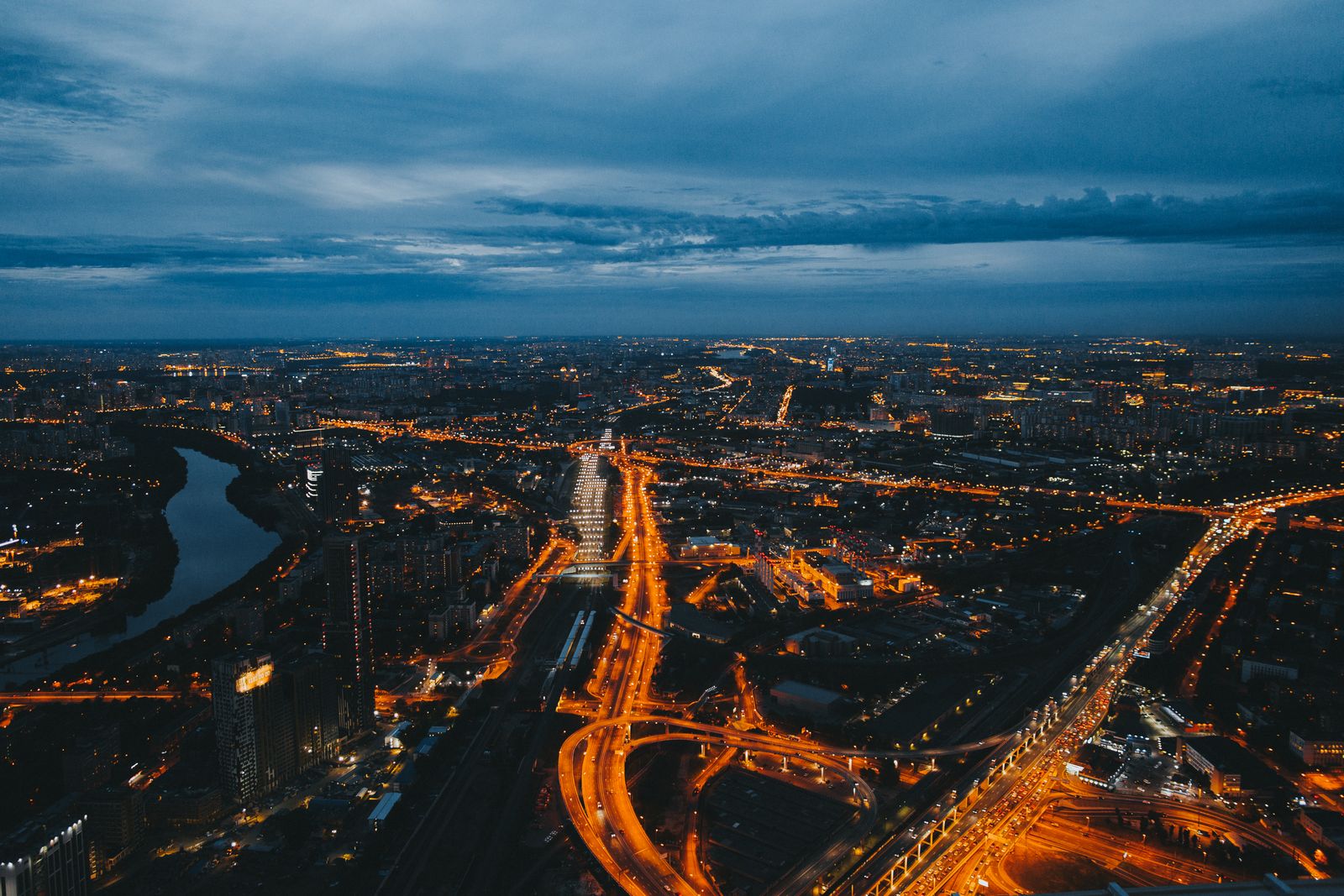
In Heat, Los Angeles appears less like a collection of neighborhoods than a network of illuminated distances. Roads cross black space. Glass buildings reflect people without containing them. Homes have extraordinary views and almost no warmth.
Neil McCauley and Vincent Hanna move through this environment with different forms of authority. Neil creates order by removing attachment. Vincent accepts disorder and burns through everyone close to him. Each believes his method is necessary, and each recognizes the cost in the other.
Their famous restaurant conversation works because it is not a confrontation in the usual sense. Neither man expects persuasion. They are taking the measure of someone whose discipline feels familiar. The scene has the calm of two professionals discussing a shared trade, even though the trade has placed them on opposite sides of a lethal pursuit.
Michael Mann’s precision extends to objects and procedures. Tools are handled as if they have been handled before. Teams communicate with the compressed language of practiced work. The film’s action is powerful because the preparation has made competence visible.
Yet competence offers no protection from isolation. Neil’s empty house is a manifesto rendered as interior design. Vincent’s domestic life collapses under the force of a job that consumes every available part of him. The city gives both men room to operate and nowhere to rest.
The final image is moving because professional recognition becomes the closest thing either character has to intimacy. It is not friendship, exactly. It is the acknowledgment that another person understood the rules you chose and the price you paid for them.